

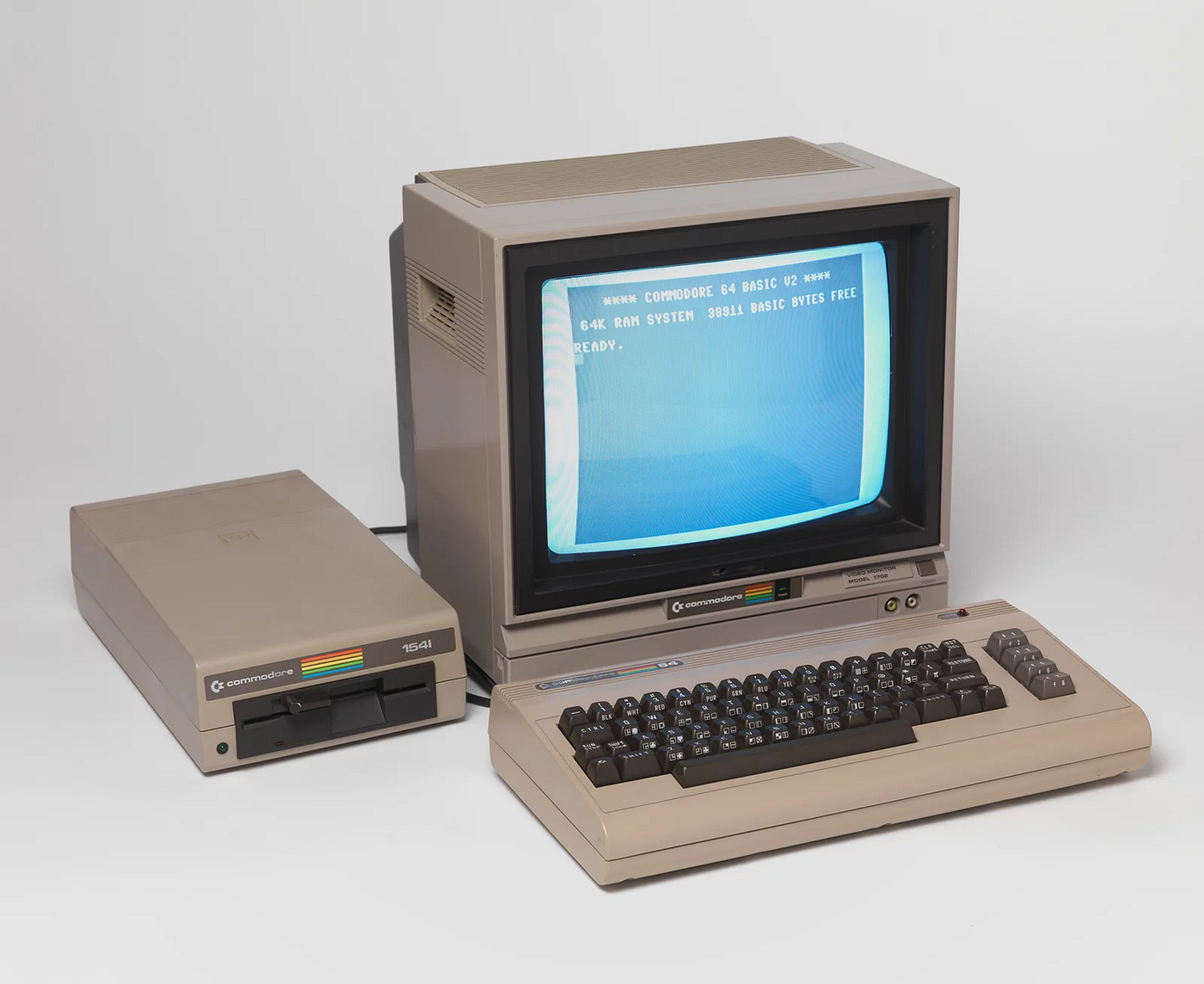
How the Commodore 64 Demo Scene Crushed the Limits
----------------------------------------------------------------------------

Before broadband, before GPUs, before your toaster had more RAM than a moon lander—there was Commodore 64.
Just 64K of memory.
A clunky 1 MHz CPU.
And somehow…
Legends rose
Geeks, Nerds, and Solder Junkies with a taste for bending reality.
They weren’t just coding—they were creating ART with a machine that wasn’t supposed to be this powerful.
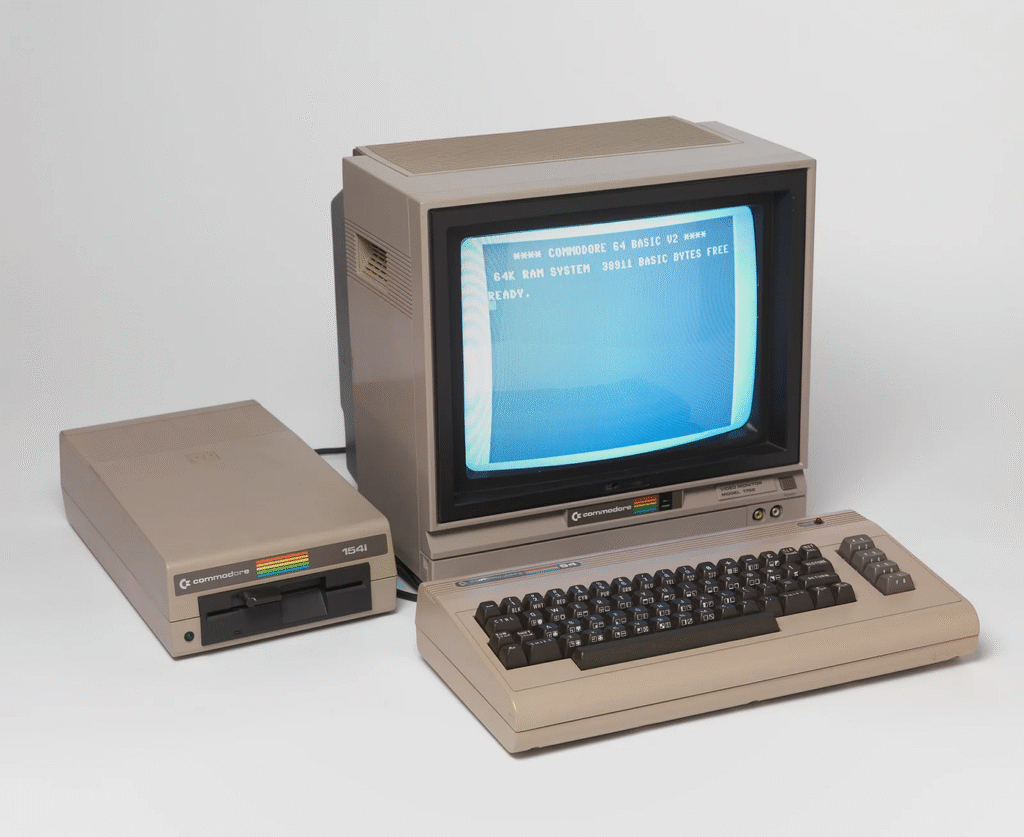
Welcome to the C64 demo scene—where bit benders and SID wizards turned raw limitations into a digital freakshow of gnarly visuals and slamming soundscapes.
This is what happens when you give punks a palette of pixels and say “you can’t.”
The Demoscene: A Rebellion in Pixels
In the late ’80s and early ’90s, the demoscene exploded—a digital revolt, a revolution of pixels, code, and sound. It was the DIY underground, where a whole subculture of coders, artists, and musicians threw a middle finger to corporate giants, using their home PCs like tools of liberation. The scene wasn’t just about graphics or sound—it was about freedom.
Piracy? some, but not for profit. It was for anarchy. The crack teams that released pirated games used them as a platform to flex their skill – pushing the limits of what these machines could do. These coders weren’t just cracking games—they were inspiring the next generation of geeks that would go on to pioneer the industrial revolution of the 21st century. (That’s me)
The demos were the ultimate form of digital art It was about breaking in, breaking out, and showing the world the beauty of what could happen when you own your tech, not just rent it.
▓▓▓▓▓▓▓▓▓▓▓▓▓▓▓▓▓▓▓▓▓▓▓▓▓▓▓▓▓▓▓▓▓▓▓▓▓▓▓▓▓▓▓▓▓▓▓▓▓▓▓▓▓▓▓▓▓
▒▒▒ ░░░[ NEXT TRACK LOADING ]░░░ ▒▒▒
▓▓▓▓▓▓▓▓▓▓▓▓▓▓▓▓▓▓▓▓▓▓▓▓▓▓▓▓▓▓▓▓▓▓▓▓▓▓▓▓▓▓▓▓▓▓▓▓▓▓▓▓▓▓▓▓▓
Conservative Graphics Were for Lames
Back in the ’80s, most computer graphics were about as flat as your parents music.
Take the Mario Bros. title screen – solid white letters on a brown background. No gradients. No lighting. Just functional.
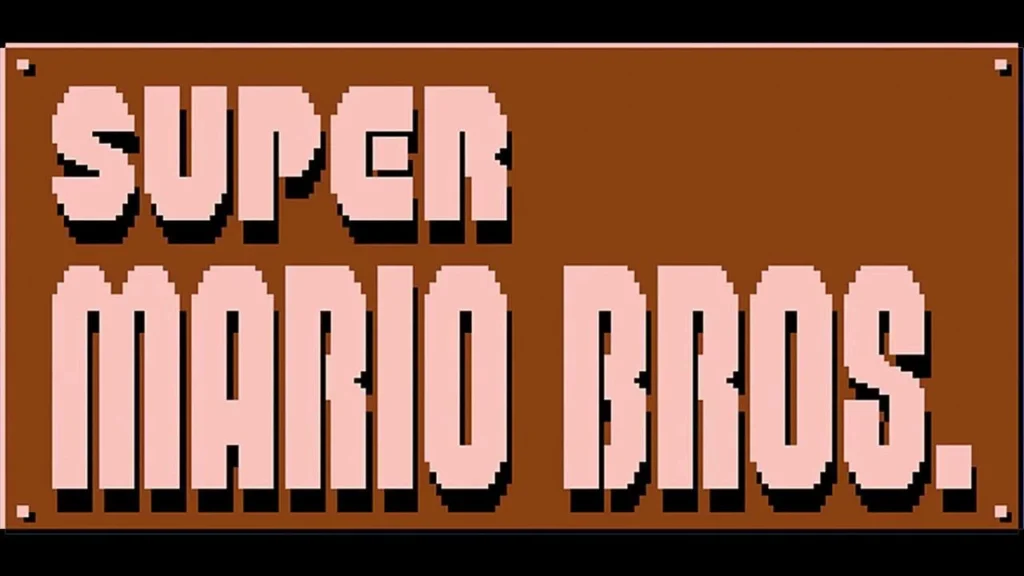
But demo crews? They didn’t do “functional.”
They did eye-melting:
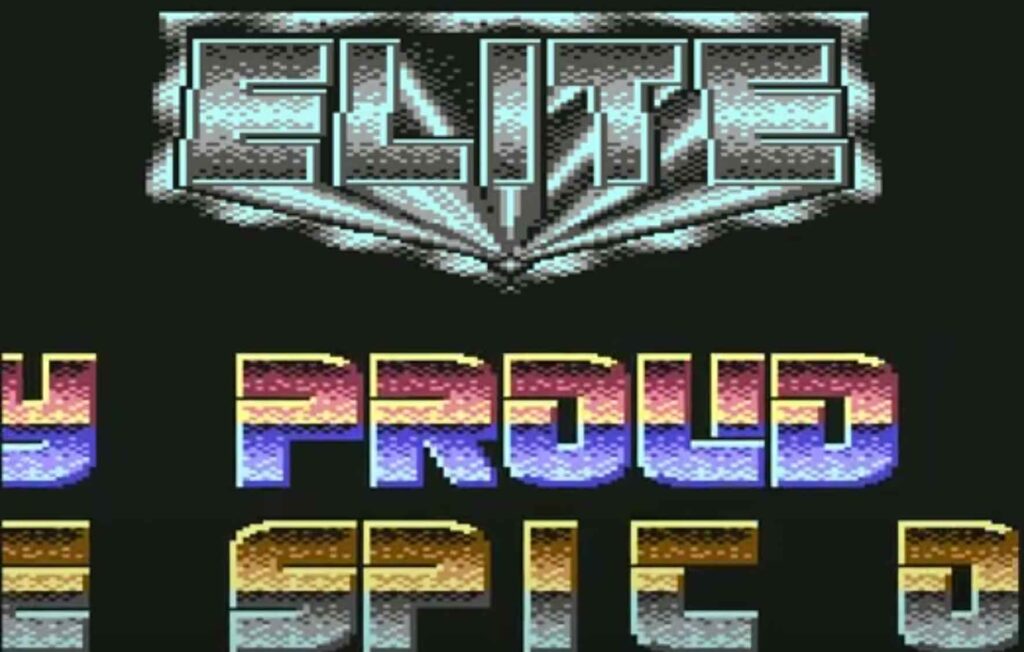
At 36:26 in this compilation of Elite Group demos – white, black, and two shades of grey go full-on psychedelic.
They aren’t just placed—they’re arranged in a slick diagonal that shifts back and forth like a hallucination on a CRT.
Motion = magic. Suddenly, you’ve got faux greyscale on a machine that barely knows what grey is.
Throw in red, pink, black, and white for a righteous red fade, and you’re not just seeing colors—you’re interpolating the pixels with your occipital lobe.
Sonic Warfare: The SID Chip:
The SID chip was no joke.
Three channels.
One of them just noise.
That’s not a limitation—that’s the drummer, bro.
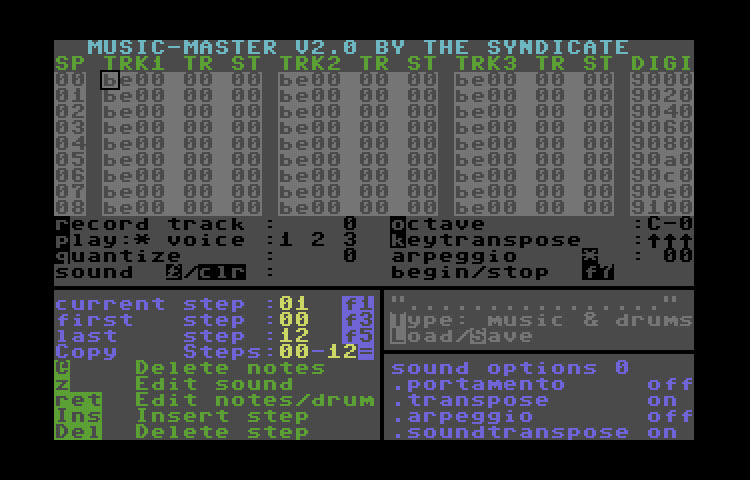
These audio warriors played multi-note chords on a monophonic synth, using the “Broken Chord” technique/ – lightning-fast arpeggios that gave the auditory hallucination of a polyphonic instrument.
Then came the analog filter—filthy, fat, resonant.
Warm like a tube amp, sharp like a razor. You didn’t listen to SID music.
You felt it.
Code Beyond the Limit:
This wasn’t just about making the C64 do tricks—it was about making it bleed sparks.
Here’s how they broke it:
-
- Raster Interrupts: Slice the screen mid-frame. Paint each section with different rules.
Boom. Multi-layered madness.
- Raster Interrupts: Slice the screen mid-frame. Paint each section with different rules.
-
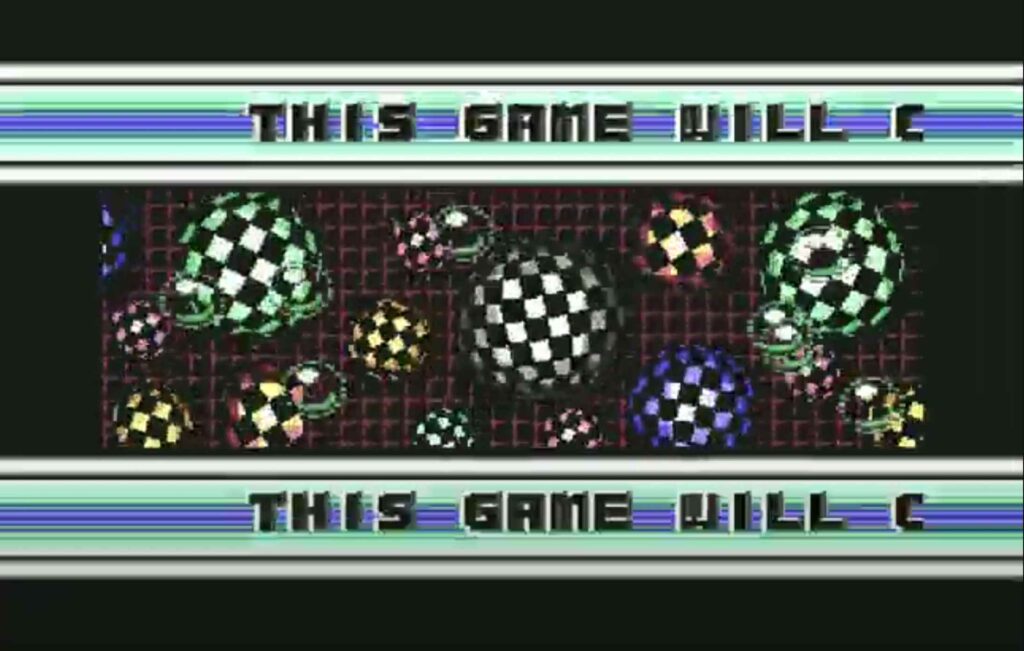
- Sprite Multiplexing: Eight sprites? Try infinite. These maniacs rewrote sprite data on the fly, line-by-line, to conjure more moving parts than the hardware even knew was possible
This Wasn’t a Game—It Was a Mission
Video games? Those were cranked out for coin.
C64 ports were slapped together, rushed to retail, safe and sellable.
But demos?
Demos were made in the glow of underground BBS terminals, in bedrooms full of solder fumes and empty Jolt cans.
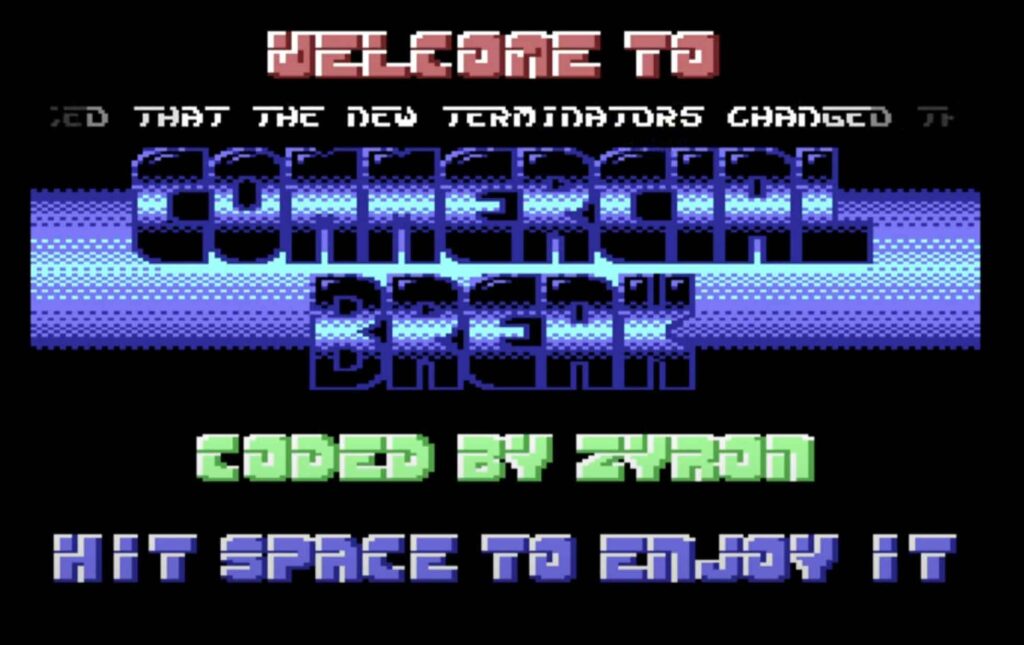
This was A GRAPHIC PISSING CONTEST, made by people who didn’t want your cash—they wanted your jaw on the floor.
They squeezed every cycle, hijacked every register, and wrung beauty out of bottlenecks
Ahead of Its Time, No Question
While most consoles were busy blinking static screens and tossing out text dumps, C64 demos were cinematic.
Think Shinobi cutscenes but with attitude and no story to tell—just raw, abstract, electric vibes.
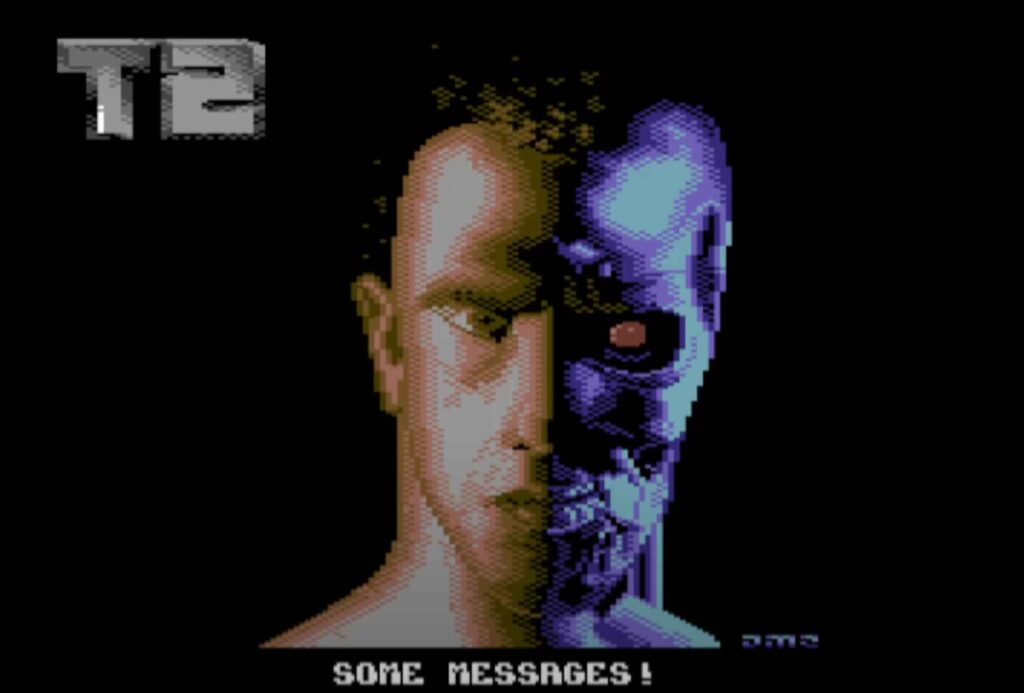
Even when 16-bit beasts rolled out, the average game still couldn’t touch the visual flair of a proper C64 demo.
Why?
Because this wasn’t about telling a story.
This was about melting your face with a vibe.
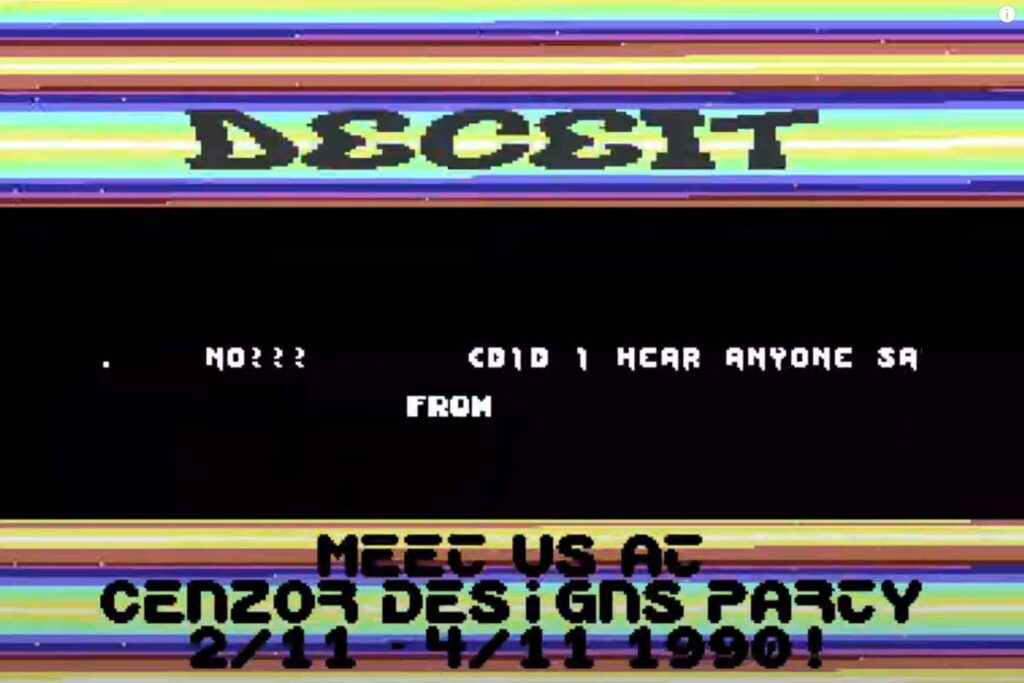
Style = Substance
These demos weren’t just “technically impressive”—they had aesthetic firepower.
Bold fonts. Chunky letters. Graffiti bones. Comic book DNA.
Every pixel had an attitude problem.
And it worked. Because when you can’t outgun the machine, you out-style it.
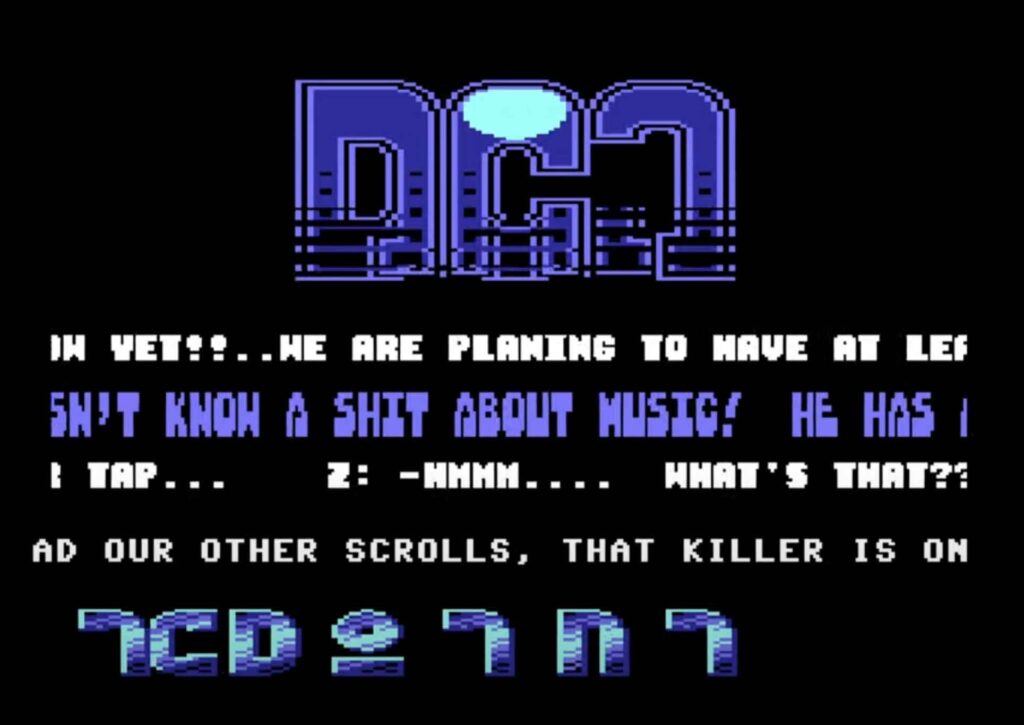
The DNA of Digital Rebellion
Why do these demos still slap?
Because it wasn’t about tech—it was about taste.
The flavor. The style. The vision.
Today, we’ve got teraflops and 4K textures, but somehow, the soul’s gone missing.
C64 demo crews had no room for fluff, no margin for lazy design.
They had to make it count. And they did.
▓█████▄ ▓█████  ▄▄▄       ▄████▄   ▄▄▄       ▄████▄   ██ ▄█▀
▒██▀ ██▌▓█   ▀ ▒████▄    ▒██▀ ▀█  ▒████▄    ▒██▀ ▀█   ██▄█▒
░██   █▌▒███   ▒██  ▀█▄  ▒▓█    ▄ ▒██  ▀█▄  ▒▓█    ▄ ▓███▄░
░▓█▄   ▌▒▓█  ▄ ░██▄▄▄▄██ ▒▓▓▄ ▄██▒░██▄▄▄▄██ ▒▓▓▄ ▄██▒▓██ █▄
░▒████▓ ░▒████▒ ▓█   ▓██▒▒ ▓███▀ ░ ▓█   ▓██▒▒ ▓███▀ ░▒██▒ █▄
 ▒▒▓  ▒ ░░ ▒░ ░ ▒▒   ▓▒█░░ ░▒ ▒  ░ ▒▒   ▓▒█░░ ░▒ ▒  ░▒ ▒▒ ▓▒
 ░ ▒  ▒  ░ ░  ░  ▒   ▒▒ ░  ░  ▒     ▒   ▒▒ ░  ░  ▒   ░ ░▒ ▒░
 ░ ░  ░    ░     ░   ▒   ░          ░   ▒   ░        ░ ░░ ░
   ░       ░  ░      ░  ░░ ░            ░  ░░ ░      ░  ░
 ░                       ░                   ░
These pixel punks didn’t just use tech.
They dominated it, reshaped it, and left behind a visual language still rippling through cyberspace.
So next time someone tells you they “don’t have enough power” (or enough generative AI tokens) to make something beautiful,
Tell ’em to shut up and code.
▓▒░░░░░░░░░░░░░░░░▒▓
█░ E  V  A  T  E  C  H ░█
▓▒░░░░░░░░░░░░░░░░▒▓
    \\ bit-bashing since 1984 //
****Be Still my pixelated heart***
  ******       *******
 **********   **********
************* ************
**************************
**************************
 ************************
   *********************
     *****************
       *************
         *********
           *****
             *
// _ _ ___ ____ ____ _____ _____ ____ _ _ _ __ __ \\
// | | | ||_ _|| _ \ / ___||_ _||___ / | _ \ | | | | / \ \ \/ / \\
// | |_| | | | | |_) |\___ \ | | |_ \ | |_) || |_| | / _ \ \ / \\
// | _ | | | | __/ ___) | | | ___) || _ < | _ | / ___ \ / \ \\
// |_| |_||___||_| |____/ |_| |____/ |_| \_\|_| |_|/_/ \_\/_/\_\ \\
// ~~~~ JUST TRYING TO HELP ~~~~ \\